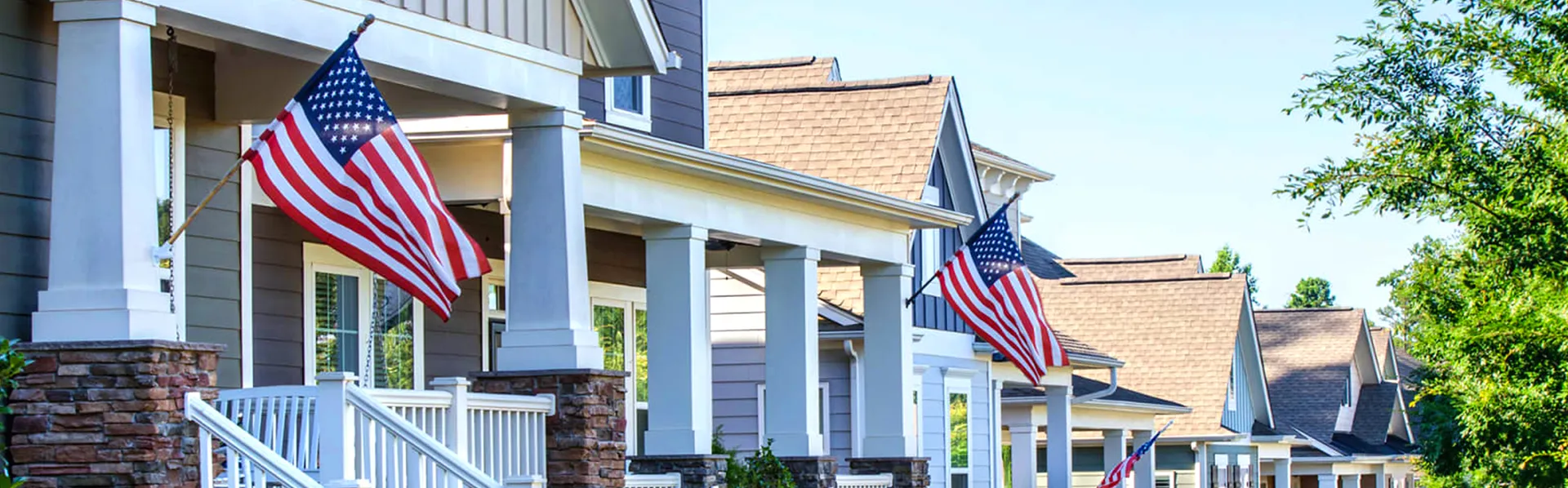
KATELLA SENIOR LIVING COMMUNITY
Retirement Community
3952 Katella Ave, Los Alamitos, CA, 90720
LOS ALAMITOS OTHER KATELLA SENIOR LIVING COMMUNITY
AFFORDABLE HOUSING ADVICE

First-time homebuyer assistance guide and emergency housing support guide
If you are a first-time home buyer experiencing a “home buying panic,” believe me, you are not alone. With housing prices so high, many people not only feel anxious when searching for their first home, but also worry that they will encounter an unexpected event in life and lose their place. The good news is that there are many resources available from governments and nonprofits to help you take your first steps toward settling down, whether it be home buying assistance or emergency housing assistance.
Bought Renters Insurance but Never Read the Policy? In These 3 Situations, It May Not Help
Renters insurance can protect your belongings, liability, and temporary living costs—but only if the situation actually fits your policy. Many renters buy a policy because the landlord requires it, then never check the exclusions or limits. These three situations are where renters often discover they were less protected than they thought.
Know Your Privacy Rights: Can Your Landlord Legally Walk Into Your US Apartment Without Notice?
You are relaxing at home, working from your bedroom, taking a shower, or sleeping after a late shift. Suddenly, you hear a key in the door. The landlord, maintenance worker, or property manager walks in like the apartment still belongs to them in every practical way. Technically, the building may belong to the landlord. But once you rent the apartment, it becomes your home. That means your landlord usually cannot treat it like a storage room, showroom, or office they can enter whenever they feel like it. The rules vary by state, city, lease, and emergency situation, but the general idea is simple: landlords often have a right to enter for legitimate reasons, but tenants also have a right to privacy and quiet enjoyment.
Apartment Has a Gym, Pool, and Rooftop? How Much Are You Really Paying for Those Amenities?
A gym, pool, rooftop deck, and lounge can make an apartment look more expensive for a reason—you may already be paying for them through rent or amenity fees. The real question is whether those shared spaces save you money or just make the building feel nicer during the tour. Before signing, renters should calculate how often they will actually use each amenity.