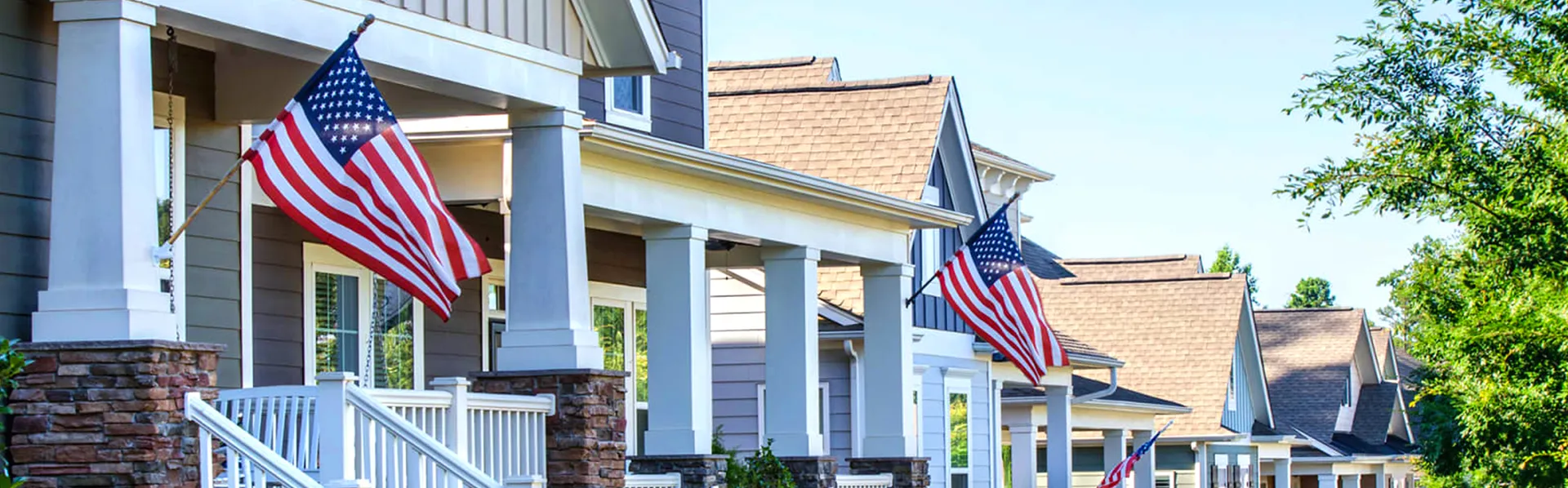

A cul-de-sac can be calmer than a busy street, but calm is not the same as risk-free.
What Is a Cul-de-Sac?
A cul-de-sac is a dead-end street with a turnaround at the end. Instead of connecting through to another street, it has one main way in and out. In suburban real estate, cul-de-sacs are often marketed as private, quiet, family-friendly, and low traffic.
That design does one thing very well: it discourages drivers who have no reason to be there. Unlike a grid street, a cul-de-sac usually does not attract commuters cutting through the neighborhood.
Why Cul-de-Sac Homes Often Cost More
The premium is mostly psychological and lifestyle-based. Buyers imagine a safer, quieter, more neighborly place to live. Parents picture kids playing outside. Pet owners like less traffic. Homeowners like less noise. Some buyers also associate cul-de-sacs with higher-end subdivisions and owner-occupied family neighborhoods.
| Buyer Perception | Why It Can Raise Demand |
|---|---|
| Less through traffic | Feels safer and quieter than a cut-through street |
| More privacy | Fewer random cars pass the house |
| Family-friendly image | Appeals to buyers with children and pets |
| Neighbor cohesion | Small street layout can encourage familiarity |
| Status signal | Some subdivisions treat cul-de-sac lots as premium lots |
Builders know this. New-construction communities may charge a lot premium for end-of-cul-de-sac lots, larger pie-shaped lots, or lots with less traffic exposure.
The Premium Is Real, But It Is Not Guaranteed
A cul-de-sac premium depends on the local market. In some neighborhoods, buyers fight for these homes. In others, buyers care more about walkability, commute, schools, lot size, views, transit, or modern floor plans.
A cul-de-sac next to a highway wall, drainage pond, industrial site, wildfire evacuation bottleneck, or steep driveway may not deserve a premium. The street shape helps only if the rest of the location supports it.
Do not pay a cul-de-sac premium just because the street ends in a circle. Pay only if the location, lot, safety, resale, and daily routine actually justify it.
Hidden Downside 1: Kids May Treat the Street Like a Playground
This is the biggest family trap. Because the street feels quiet, children may ride scooters, bikes, skateboards, and toy cars in the roadway. Parents may relax because there are fewer cars. But fewer cars does not mean no cars.
Cul-de-sacs still have residents backing out of driveways, visitors turning around, delivery vans, moving trucks, landscapers, contractors, rideshare drivers, trash trucks, and distracted drivers looking at GPS.
The danger is not usually high-speed through traffic. The danger is low-speed, close-range vehicle movement around children.
- Drivers backing out of driveways
- Delivery vans reversing or turning around
- Children playing behind parked vehicles
- Cars using the circle as a turnaround
- Blind spots from SUVs, trucks, landscaping, and parked cars
- Kids assuming every driver expects children in the street
Hidden Downside 2: Driveway Backover Risk Does Not Disappear
Many parents focus on traffic volume, but driveway movement can be just as important. A cul-de-sac often has many driveways facing a shared circular space. That means multiple cars may reverse toward the same play area.
If children are allowed to play near driveways, behind vehicles, or around parked cars, the low-traffic advantage becomes weaker. A quiet street can create a false sense of security.
The safest play area is not the quietest street. It is a protected space separated from moving vehicles.
Hidden Downside 3: Emergency Access Can Be More Complicated
Emergency vehicles need access, turning space, and clear routes. Cul-de-sacs are designed with turnarounds, but real life can interfere: parked cars, basketball hoops, snow piles, construction vehicles, trash bins, landscaping trailers, and narrow street design can make maneuvering harder.
A connected street grid may offer multiple routes to a home. A cul-de-sac often has only one way in and out. If that entrance is blocked by a crash, fallen tree, floodwater, police activity, fire hose, snow, or construction, access can become more difficult.
| Emergency Issue | Why It Matters |
|---|---|
| One entrance | Blocked access can delay vehicles entering or residents leaving |
| Turnaround space | Fire trucks and ambulances need room to maneuver |
| Street parking | Parked cars can narrow the circle |
| Snow or debris | Can reduce usable turning area |
| Long dead-end layout | May limit alternate routes during emergencies |
This does not mean cul-de-sacs are unsafe for emergency response. It means families should look at the actual street width, parking habits, hydrant access, turnaround clearance, and local emergency access rules before assuming the layout is ideal.
Hidden Downside 4: Walkability and Independence Can Be Worse
Cul-de-sacs reduce through traffic by reducing connectivity. That same design can make walking and biking less direct. A school, park, bus stop, grocery store, or friend’s house may be physically close but require a long looping route by sidewalk.
For families, this matters more than people realize. A child may need to be driven everywhere because the neighborhood has no direct pedestrian path. A teenager may be less independent. A parent may spend more time chauffeuring. A quick walk may become a car trip.
- Longer walking routes
- Fewer direct bike connections
- More dependence on cars
- Harder access to transit
- Longer routes to schools and parks
- Less casual foot traffic and street life
Some of the best cul-de-sacs solve this with pedestrian cut-throughs, trail connections, sidewalks, park paths, or bike-only links. A dead-end street for cars does not have to be a dead-end street for people.
Hidden Downside 5: Privacy Can Become Social Pressure
Cul-de-sac living can create strong neighbor familiarity. That can be wonderful. People watch out for each other. Kids know other kids. Packages may be noticed. Suspicious cars stand out.
But the same intimacy can feel invasive. Everyone sees your visitors, cars, contractors, parties, landscaping habits, garage door, and whether your kids are outside. If neighbor relationships turn sour, the small-circle layout can feel claustrophobic.
A cul-de-sac can feel private from outsiders and very exposed to insiders.
What Families Usually Love
- Less through traffic
- Less road noise
- More neighbor familiarity
- More space for informal outdoor play
- Fewer cars passing the front window
- Potentially larger or more interesting lot shape
- Lower chance of commuters using the street as a shortcut
- Stronger sense of a mini-neighborhood
What Families Often Overlook
- Kids may still be near reversing cars
- Delivery trucks may make awkward turns
- Emergency access depends on the only entrance staying clear
- Street parking can clog the turnaround
- Walking routes may be longer
- School and park access may require driving
- Snow plowing and trash pickup may be less convenient in some areas
- The resale premium may shrink if buyers prioritize walkability
The Lot Shape Problem
Cul-de-sac lots are often pie-shaped. Some are wider in the back and narrower at the street. Others have odd side yards, angled property lines, easements, drainage areas, or awkward driveway placement.
A pie-shaped lot can be great if it creates a large backyard. It can be frustrating if the front is too narrow, the driveway is steep, the usable yard is irregular, or the house sits close to neighbors in a strange orientation.
| Lot Feature | Possible Benefit | Possible Problem |
|---|---|---|
| Wider backyard | More outdoor space | More fencing, landscaping, and drainage cost |
| Narrow frontage | Less road exposure | Limited parking and curb space |
| Curved street | Visual charm | Awkward driveway sight lines |
| End location | Quiet and private | More vehicles turning near the house |
Parking Can Get Weird
People imagine cul-de-sacs as spacious, but curb parking can be limited because of driveways, curved curbs, mailboxes, hydrants, and the need to keep turning space open. If multiple families host guests at the same time, the circle can become crowded quickly.
This matters if you have teenagers with cars, frequent visitors, large family gatherings, home-based work clients, or neighbors who park trailers, boats, RVs, or work trucks.
Delivery Trucks and Trash Trucks Matter More Than You Think
Cul-de-sacs are magnets for turning movements. Delivery vans, moving trucks, garbage trucks, contractors, and rideshare drivers may use the circle to reverse, swing wide, or turn around. That means the quietest part of the street can still have large vehicles maneuvering close to kids, pets, bikes, and parked cars.
During a tour, look for scraped curbs, cracked pavement, damaged mailboxes, tire marks on grass, or neighbors using cones and signs to protect driveways. These small clues can reveal daily friction.
Safety Checklist Before Paying the Premium
- Visit during school pickup and evening delivery hours.
- Watch how many vehicles turn around in the circle.
- Check whether children already play in the roadway.
- Look for sidewalks, crosswalks, trails, and pedestrian cut-throughs.
- Check driveway sight lines from every home near the circle.
- Look for streetlights and nighttime visibility.
- Check whether cars park in the turnaround.
- Ask about snow plowing, trash pickup, and emergency access.
- Check distance to schools, parks, transit, and stores by walking route, not straight-line distance.
- Review HOA rules on parking, basketball hoops, street play, trailers, and RVs.
Questions to Ask Before Buying
- Is the cul-de-sac public or private?
- Who maintains the street, lighting, drainage, and snow removal?
- Are there parking restrictions in the turnaround?
- Does the street meet local fire access requirements?
- Are there sidewalks or pedestrian paths out of the cul-de-sac?
- How far is the nearest park by actual walking route?
- Do delivery trucks and trash trucks turn near the home?
- Are there drainage problems at the end of the street?
- Does the lot have easements, slope, or stormwater infrastructure?
- Is there a history of speeding, cut-through attempts, or illegal parking?
Sample Message to the HOA or City
Hello, I am considering purchasing a home on [street name]. Please confirm whether the cul-de-sac is public or private, who maintains the pavement, lighting, drainage, snow removal, and signage, whether parking is restricted in the turnaround, and whether there are any known emergency access, drainage, or traffic safety concerns for this street.
Sample Message to the Listing Agent
Please provide any available information about the cul-de-sac lot, including survey, easements, drainage facilities, street maintenance responsibility, HOA parking rules, snow removal if applicable, and whether the seller is aware of any recurring issues involving delivery trucks, trash pickup, flooding, emergency access, or street parking.
When a Cul-de-Sac Is Worth the Premium
A cul-de-sac may be worth paying more for when it offers a real improvement in daily life: low traffic, good lighting, safe sidewalks, clear emergency access, a usable lot, good drainage, walkable connections, and neighbors who keep the turnaround clear.
It is especially attractive for buyers who value quiet, privacy, low-speed streets, and a more contained neighborhood feel.
When the Premium Is Hype
A cul-de-sac premium becomes hype when buyers pay extra without checking the actual tradeoffs. The label alone does not guarantee safety or value.
- The street has no sidewalks or pedestrian exits.
- Cars regularly park in the turnaround.
- The home sits where delivery trucks constantly turn.
- The lot has poor drainage at the end of the street.
- The driveway has bad visibility.
- The neighborhood is car-dependent despite looking family-friendly.
- The only entrance could be blocked during emergencies.
- The premium is high but comparable resale data does not support it.
What Not to Do
- Do not assume cul-de-sac means children can play unsupervised in the street.
- Do not pay a premium without comparing recent nearby sales.
- Do not ignore driveway backover risk.
- Do not forget emergency access and evacuation routes.
- Do not assume the city maintains a private cul-de-sac.
- Do not ignore drainage at the low point of the street.
- Do not buy only for quiet if the walking route to everything is terrible.
- Do not assume every buyer will value the cul-de-sac as much as you do.
Final Takeaway
Cul-de-sac homes often cost more because buyers love quiet streets, low through traffic, privacy, and the family-friendly image. That appeal is real, and in the right neighborhood, it can support strong resale demand.
But the hidden safety downsides are real too. A cul-de-sac can still have driveway backover risk, delivery truck movement, emergency access limits, poor walkability, awkward parking, drainage problems, and a false sense that the street itself is a playground.
Before paying the premium, visit at different times, watch vehicle movement, check pedestrian connections, review the lot shape, ask about maintenance, and confirm whether comparable sales support the higher price.
A cul-de-sac can be a beautiful place to live. Just do not confuse a quiet circle with a safety bubble.